

The analyses conducted on two kiwi plants in Calabria confirm the reliability of the TETHYS model for estimating the water requirements of crops and open up new horizons. new perspectives for precision irrigation.
The kiwi research project continues
The research activities that TETHYS is carrying out on kiwi cultivation continue, with the aim of deepening the relationship between water availability, plant physiology and sustainability of irrigation management.
After the project started in Lazio and the results presented in the previous blog updates – from'start of activities to the first monitoring, until Analysis of the water balance and vegetative state of kiwi orchards – work continues today in Calabria, Where new elaborations They are providing particularly significant indications for both the research and production worlds.
Kiwi analyses are confirmed by field measurements
The main novelty that emerged from the activities carried out in 2026 concerns the scientific validation of the results obtained through the TETHYS system.
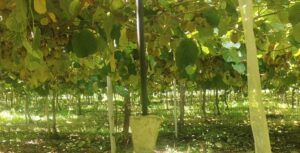
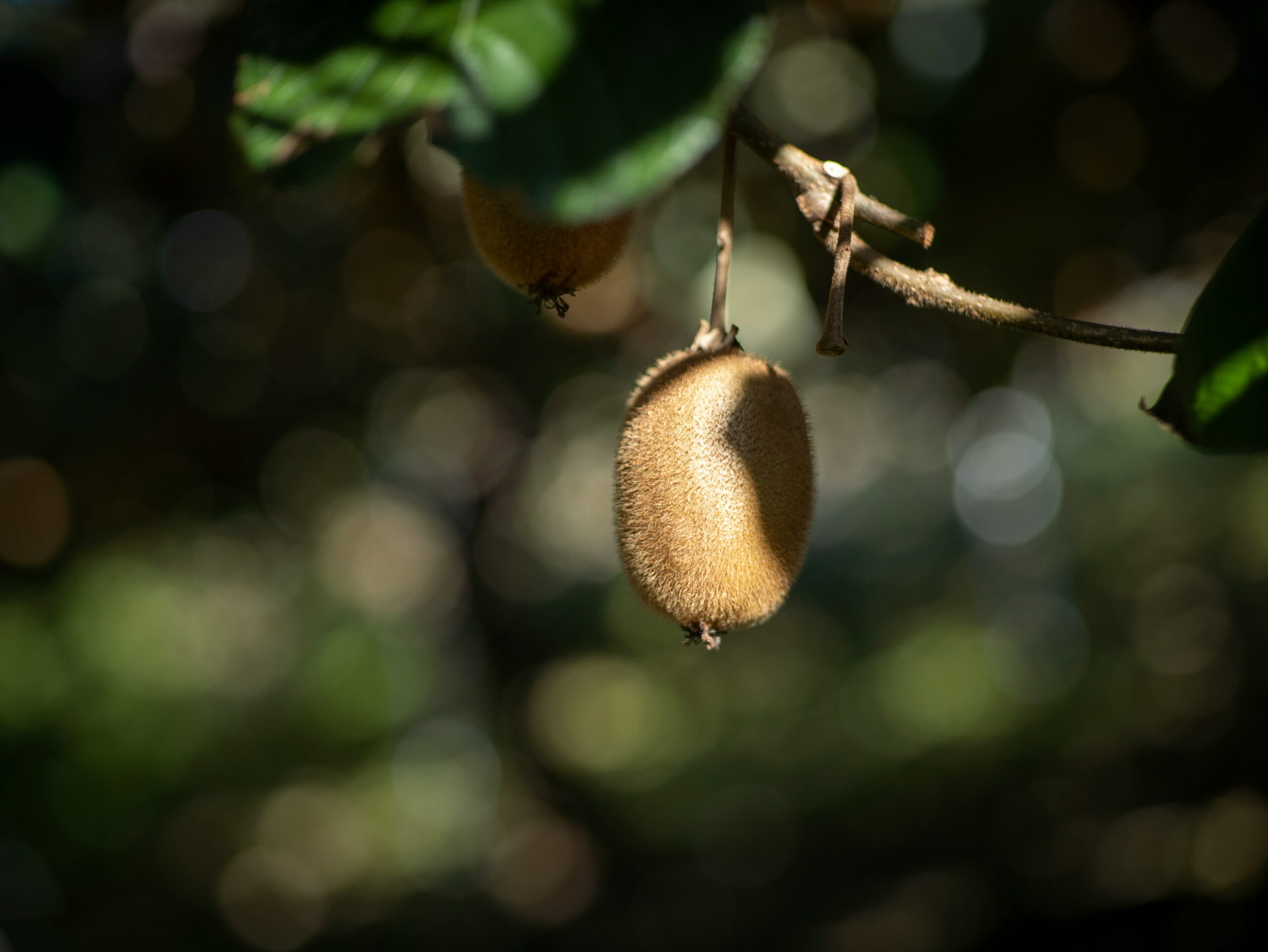
The analyses involved two adjacent plots of land belonging to the Adornato Agricultural Company, in Polistena, in the province of Reggio Calabria: a plantation of approximately 1.5 hectares cultivated with Gold G3 yellow kiwifruit and a second plot of approximately 1.2 hectares cultivated with Hayward green kiwifruit.
For both crops it was the water balance for the entire 2025 season has been reconstructed, analyzing daily the period between March 1st and November 30th on the basis of theeffective evapotranspiration of crops and of the natural contributions due to precipitation, concentrated mainly between the end of March, mid-May and the month of November.
The most relevant aspect is that The calculations developed by TETHYS coincide with the results obtained by Prof. Gullo and Dr. Dattola of the Department of Agriculture, University of Calabria, who are studying the same kiwifruit plots using precision instrumentation installed directly on the plants, including Sap Flow sensors.
It's about a particularly significant result, because it confirms thereliability of the model developed by TETHYS to estimate kiwifruit water needs using exclusively satellite data, without the need to install sensors in the field.
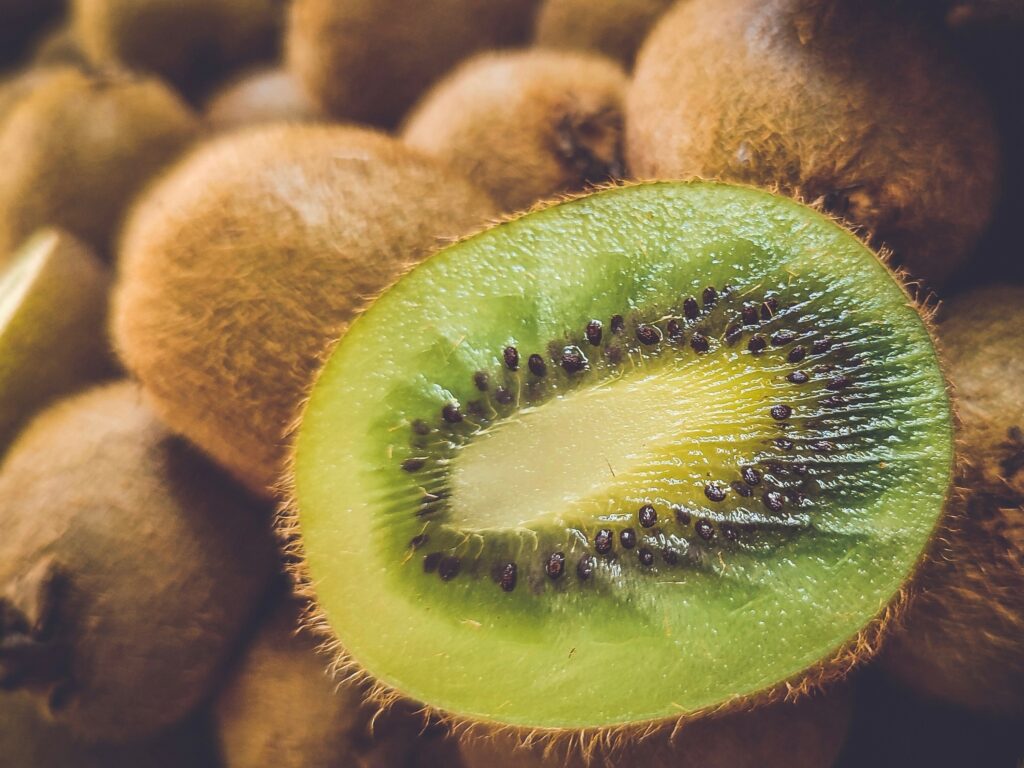
Gold G3 and Hayward: two varieties of kiwi with different irrigation needs
The studies also highlighted different behaviors between the two monitored cultivars.
During late spring, during the phase of maximum vegetative development, the Kiwi Gold G3 recorded evapotranspiration values that were on average more than 30% higher than the Hayward kiwi, a difference probably linked to the greater vegetative precocity of the yellow cultivar.
With the arrival of summer, the gap tends to progressively reduce, settling around 10% during the period of maximum evaporative demand, until reaching substantially similar values in the final part of the season.
The analyses therefore demonstrate that different varieties of kiwi, even if grown in the same soil and climate context and subjected to the same environmental conditions, they can have significantly different irrigation needs during the production cycle.
Kiwi irrigation: Water-saving potential exceeds 50%
The analysis of the water balance highlighted a further piece of data of great interest.
For both kiwi plots the seasonal water requirement estimated by TETHYS was in the order of 550 mm, while the irrigation contributions actually distributed by the company during the season reached 1,380 mm.
If it had been used during the 2025 agricultural season WATER for the irrigation council, the company could have plan interventions based on the real needs of kiwi plants, obtaining a water savings greater than 50%, with obvious benefits both from an economic point of view and for the protection of water resources.
Satellite monitoring thus proves to be an effective tool for precision kiwi irrigation, allowing for daily estimates of crop water requirements and the provision of personalized irrigation advice for each plot.
Upcoming developments in kiwifruit research
The results obtained will soon flow into a scientific publication conducted jointly by TETHYS and Prof. Gullo, contributing to expanding knowledge on the relationship between satellite analysis, irrigation management, and kiwi cultivation.
The same analyses will also be presented during an event scheduled in Reggio Calabria after the summer, with the aim of share the results with researchers, technicians and producers and contribute to the development of new strategies for water saving in kiwi cultivation.