

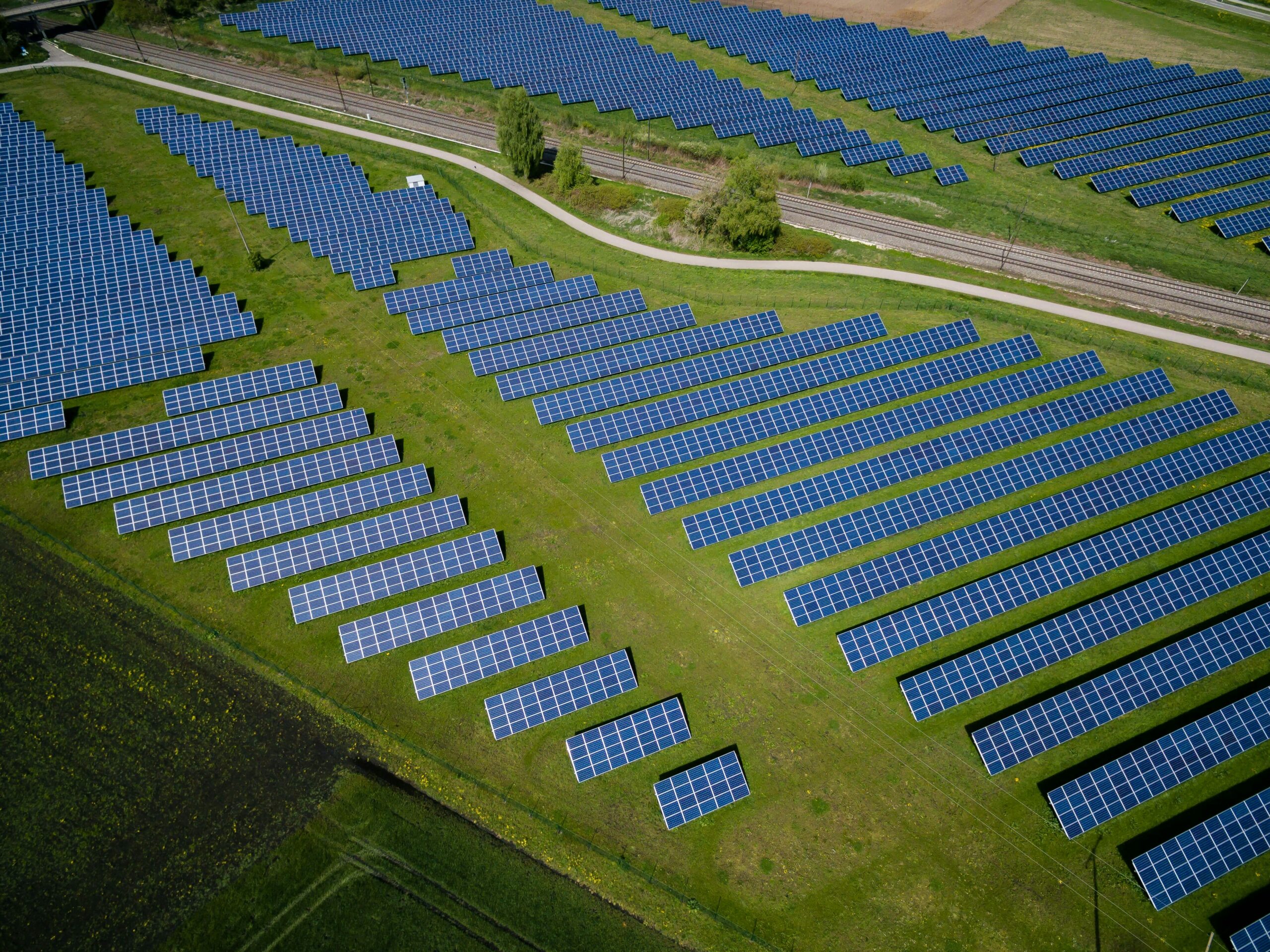
With the start of the collaboration between TETHYS and Synergy a new operational approach for the design, evaluation and management of agrivoltaic systems that unite digital innovation And environmental sustainability.
At the heart of the agreement, the integration of the TETHYS system – developed to remotely monitor agricultural dynamics via satellite data – in the chain of technical and agronomic services made available by Syniergy.
The objective is twofold: on the one hand, support the authorization phases of the plants; on the other hand, ensure continuous and objective monitoring of agricultural activity during photovoltaic operation.
Pedo-agronomic relationship: the basis for conscious design
The collaboration includes the creation of a complete soil and agronomic report, necessary to define the context in which the plant will be built. The analysis includes physical, chemical, and biological soil parameters, along with information on flora, fauna, current agricultural use, and regulatory constraints.
All data will be accompanied by georeferenced maps and images which will facilitate the territorial framework and the landscape insertion of the project.
Agronomic and cultivation plan: compatibility first and foremost
Starting from agronomic characteristics of the site and from the layout of the photovoltaic system, a will be defined compatible cultivation plan, which identifies:
• the Cultivable species depending on microclimate and shading,
• the optimal rotation of crops
• the agronomic techniques more suitable
• the strategies for efficient water use and the reduction of chemical inputs.
This phase is crucial to ensure that the system maintains high agricultural productivity.
TETHYS DSS: satellite data for agronomic and environmental scenarios
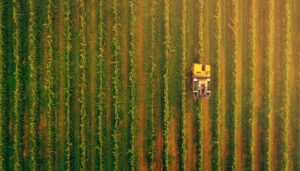
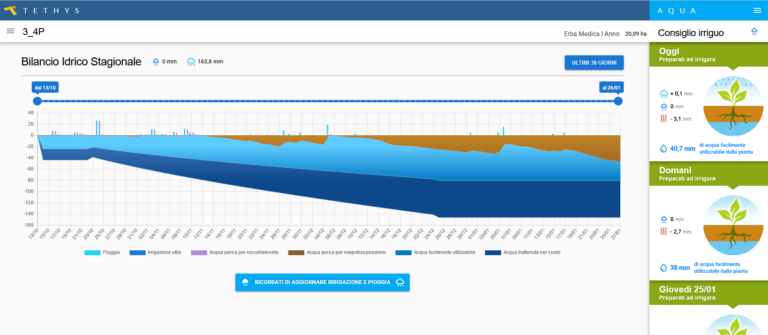
One of the key elements of the collaboration is the use of the TETHYS system to generate forecast scenarios on agricultural activity and the environment. Through the forms WATCH, WATER And GROW, the DSS allows you to:
• analyze the vegetative state of crops through indices such as NDVI, NDWI, LAI and fCover,
• estimate the irrigation needs and potential water savings,
• monitor biomass production andCO₂ absorption.
Thanks to historical data and advanced environmental models (such as SEBAL), TETHYS allows to demonstrate the environmental and agricultural sustainability of agrivoltaic systems already in place in the planning stage.
In-service monitoring: constant monitoring throughout the life of the system
In addition to the ex-ante evaluation, the TETHYS system will ensure a continuous monitoring throughout the entire operational life of the plant, through:
• daily processing available on web app
• annual reports with analysis of the main agronomic parameters,
• comparison between real data and project scenarios
Using the web app allows you to continuously monitor the affected plots, also by focusing on specific areas of interest, supporting agronomists and technicians in the daily management of crops in the presence of a photovoltaic system.
Microclimate under observation: weather stations for experimental plants
For the plants included in the experiments foreseen by Legislative Decree 199/2021 and by the PNRR, the supply of field weather stations will allow monitor the microclimate on a hectare scale. The sensors will collect fundamental data (temperature, humidity, wind, solar radiation) both under the photovoltaic modules and in open fields, offering further evaluation elements on the interaction between the plant structure and the agricultural environment.
An integrated vision for next-generation agrivoltaics
The collaboration between TETHYS and Syniergy represents a concrete example of how digital innovation can strengthen agricultural value, energy and environmental protection of agrivoltaic systems. The use of a Advanced Satellite DSS guarantees a scientific, traceable and transparent approach, essential for addressing the challenges of the energy and climate transition in rural areas.