

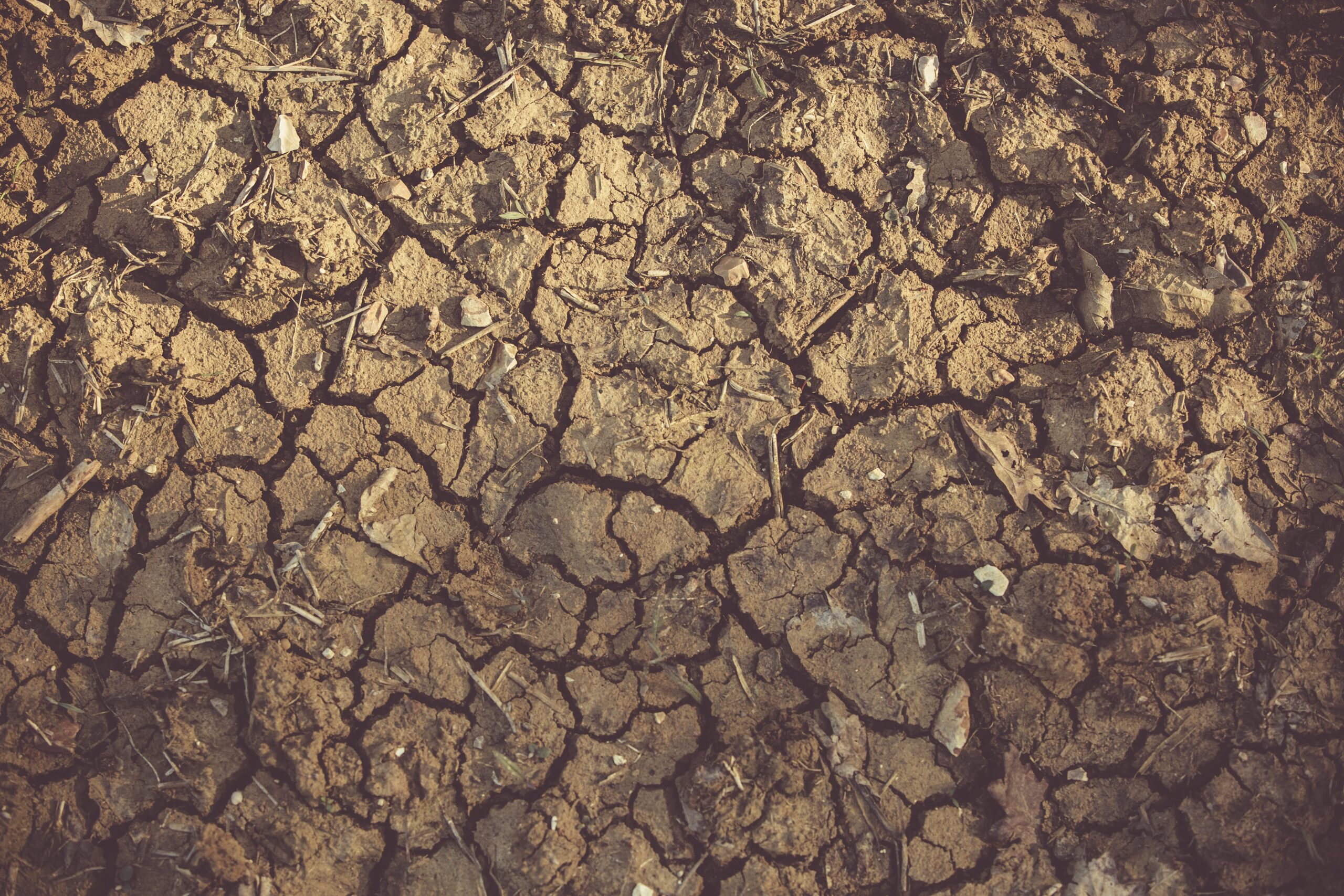
Drought in Europe has become an increasingly serious problem in recent years, with significant consequences for agriculture, water supply, and the natural environment.
We analyze the current drought situation in Europe, the main consequences for agriculture and the natural environment, the measures taken to address it, and the European Union's initiatives to combat both drought and climate change.
Current drought situation in Europe
In February 2024, Europe's 47% is in alarming drought conditions, While 17% is on alert, according to theEuropean Drought Observatory (EDO). The most affected areas are mainly those of south And of theWestern Europe, including the Spain, The Portugal, L'Italy and the FranceThe drought has caused a significant reduction in water reserves, with consequent water supply problems for agriculture, L'industry and local communities.
Measures taken to address drought
The European Union (EU) has adopted several measures to address drought and mitigate its effects. These measures include promoting sustainable agricultural practices and water management to reduce water demand and improve resource efficiency. Furthermore, policies and tools for water management are being developed at the regional and national levels, promoting efficient water use and water conservation. The EU is also investing in research and development of innovative technologies to address drought, such as efficient irrigation systems and drought-resistant crops. Furthermore, cooperation between EU Member States has been promoted to address drought across borders and share best practices and experiences in water management.

The water crisis in Piedmont
Even in Northern Italy the water crisis is taking on worrying proportions. In Piedmont, the January just ended ranks fifth among the warmest in the last 70 years: 3 degrees average and zero temperatures around three thousand meters. Increasingly less cold and less rainy winters represent an increasingly concrete threat to Piedmont's water reserves, especially in the high mountains.
The latest alarm launched a few weeks ago: "the 80% of snow is missing in the mountains" the farmers said. And today the waterways are dry: "We are in mid-winter with a very poor water resource and this has led to flow rates of watercourses which are unfortunately around 50% of those historical averages” explains Secondo Barbero, director of Arpa Piemonte. The whole of Piedmont is suffering, but Cuneo, Valsesia and Biella are the areas most in difficulty.
Water shortage in Sardinia
Even in Sardinia the absence of precipitation in winter has led to one drastic reduction in water reserves. The dams are short of water, and the invaded I am almost completely empty. In January, the Sardinia Region declared the water crisis in some areas.
To deal with the situation, the Central Sardinia reclamation consortium has prohibited the use of water for irrigation in all three sub-districts under its jurisdiction. This decision was made to safeguard remaining supplies. Furthermore, theNational Association of Land and Irrigation Water Management and Protection Consortia (Anbi) highlighted the gravity of the situation in the reservoirs. Some basins I am at a 25-year low, and in some areas irrigation has been banned to ensure potable use. Optimizing the use of water resources throughefficiency of the hydraulic network and new infrastructure to retain more water in the area they are necessary solutions to address this crisis.