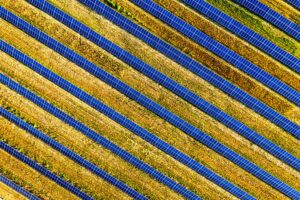


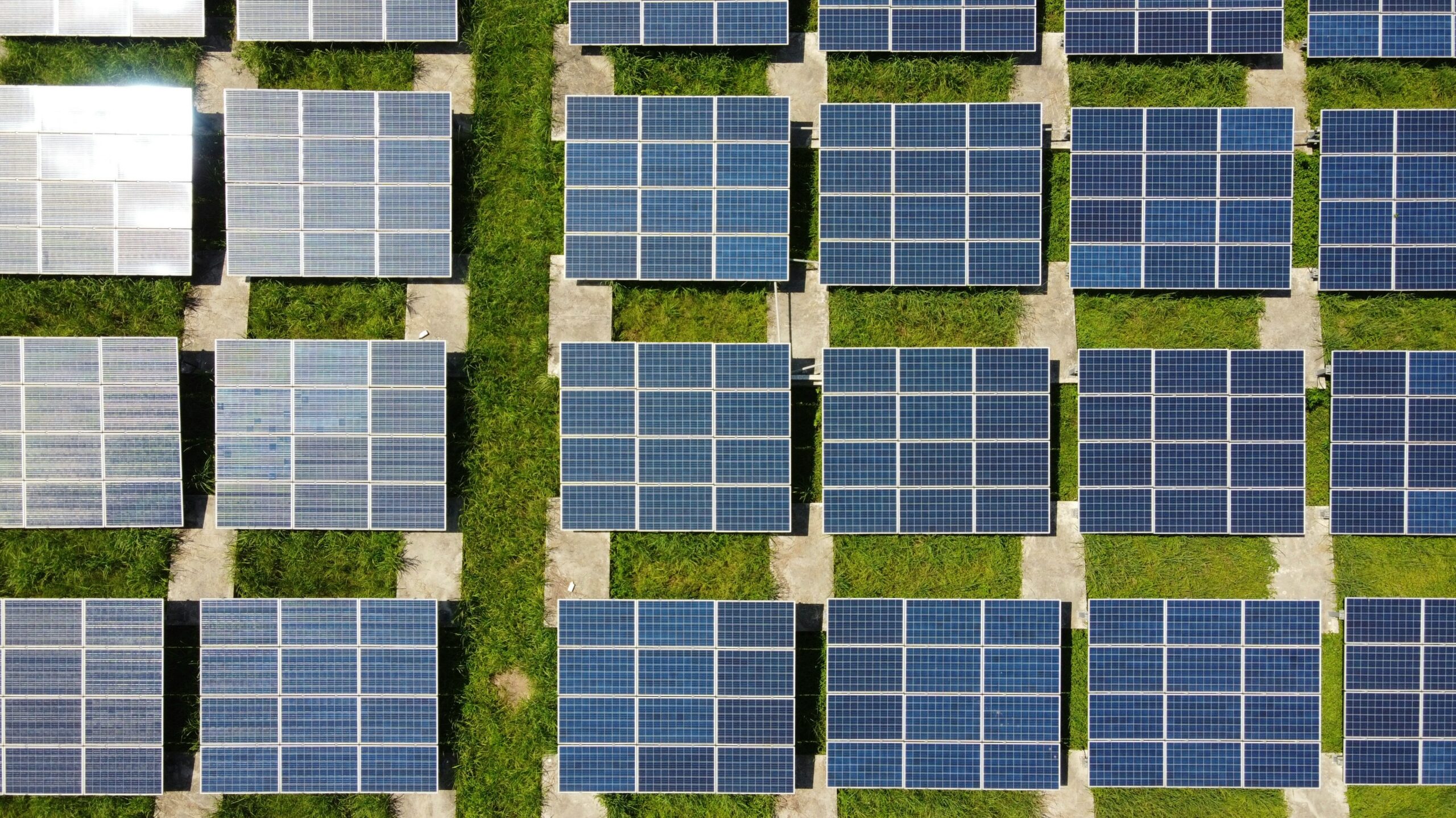
It continues the collaboration between TETHYS and Syniergy for it development of advanced agrivoltaic systems in which energy production And agricultural activities are designed and monitored as parts of a single system.
After the first operational experiences already started, the partnership is enriched by two new projects: one in the locality Castel Maggiore, in the province of Bologna, and one in Houseism, in the province of Pavia.
Two different contexts for territorial and cultural characteristics, but united by a precise objective: build agrivoltaic systems in which the agricultural continuity be documentable, measurable and supported by objective data.
Two new sites, two new ex ante analyses
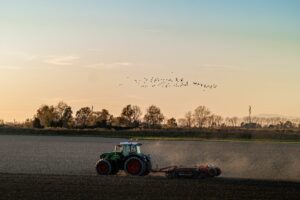
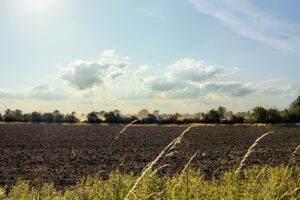
The first project concerns an area of approximately 20 hectares in the province of BolognaBefore the project process began, the land was used for the cultivation of corn, sunflower, durum wheat and rapeseed, thus providing a useful historical basis for reconstructing the productive behavior of the plot.
The second project concerns instead approximately 35 hectares in the municipality of Casatisma, in the province of Pavia, where last year's crop system is based on corn, soybeans, soft wheat and alfalfa.
In both cases, TETHYS and Syniergy will apply the same approach already adopted in other projects, with the aim of rigorously defining the initial agronomic framework, evaluating the productive potential of the land and building scenarios compatible with the future presence of the plant.
The soil-agronomic relationship as a starting point
Each project will start from drafting of a complete soil and agronomic report, necessary to describe the characteristics of the site in a structured way.
The analysis will include the physical, chemical and biological aspects of the soil, the existing vegetation, theagricultural use of surfaces they any environmental and regulatory constraints.
This information will be supplemented by georeferenced maps and images, useful to provide a objective technical framework to support the design.
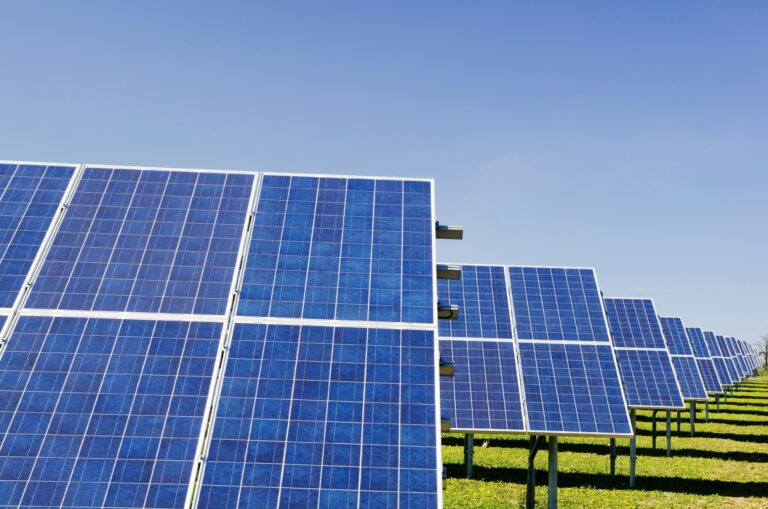
A cultivation plan compatible with the system
Starting from agronomic characteristics of the land and from the photovoltaic system configuration, a will be developed compatible cultivation plan.
The goal is not simply to ensure coexistence between panels and crops, but identify the most suitable agronomic solutions to maintain productivity and sustainability over time.
The plan will define:
• the Cultivable species depending on shading and microclimate
• the crop rotations more appropriate
• the agronomic techniques recommended
• the strategies for efficient water use and reduced inputs.
The contribution of the DSS TETHYS
The TETHYS system will support the analysis through the modules WATCH, WATER And GROW.
Thanks to the integration of satellite data, meteorological information and advanced environmental models, it will be possible to:
• monitor the vegetative state of crops;
• estimate the irrigation needs;
• evaluate the production of biomass;
• quantify the capacity of CO₂ absorption;
• build forecast scenarios useful already in the authorization phase.
This approach allows to transform the agronomic experience into a objective and shareable basis.
Continuous monitoring throughout the life of the system
The activity does not end in the planning phase.
Once the systems are built, TETHYS will allow monitor the evolution of crops over time and of compare actual results with the scenarios defined in the ex ante phase.
Daily processing, web apps and annual reports will offer a continuous operational support to technicians and agronomists, contributing to document agricultural continuity throughout the life of the plant.
An agrivoltaic system designed on measurable bases
The Castel Maggiore and Casatisma projects confirm an increasingly central principle in the development of agrivoltaics: Agricultural sustainability must be built and demonstrated through data, analysis and monitoring.
It is in this direction that TETHYS and Syniergy continue to work, with the aim of make agrivoltaics concretely measurable in its productive and environmental effects.